
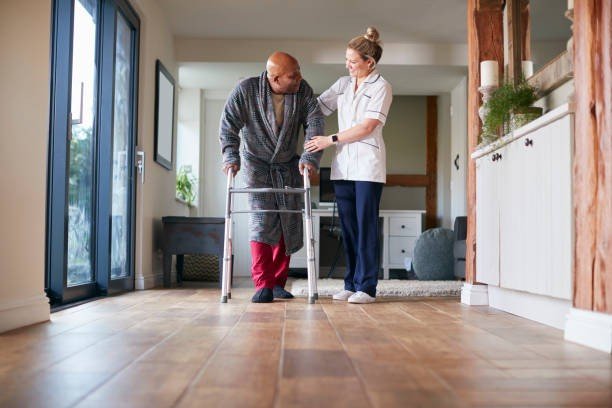
Life shifts fast for families caring for seniors. Stress, worry, and emotional changes hit hard, and suddenly, daily life feels heavy. The senior home care in Chesterfield, VA, steps in to ease this weight. Care teams adjust routines, notice small emotional signs, and support seniors and families every single day. They turn uncertainty into comfort, keeping homes safe, stable, and emotionally healthy.
How Do Families Feel the Pressure?
Caring for a senior isn’t just about meals or medicine. Emotional shifts hit families hard. You notice:
- Increased anxiety about safety
- Frustration when routines fail
- Guilt over not spending enough time
- Stress from balancing work and care
The Chesterfield elderly care services help families manage these emotions by taking some pressure off. Caregivers become partners, not just helpers.
How Care Teams Notice Early Emotional Shifts?
Seniors rarely say they feel off. Caregivers watch for tiny signals:
- Reduced smiles or laughter
- Skipped meals or snacks
- Short answers in conversation
- Loss of interest in hobbies
- Trouble sleeping or restless nights
These signs guide caregivers to step in early, preventing stress from growing. Small changes get noticed, and small actions make big differences.
How Activities Help Rebuild Emotional Balance?
Care teams don’t just provide physical support; they restore joy and purpose. They might introduce:
- Gentle exercise or short walks
- Simple craft projects
- Reading or music sessions
- Games or conversation time
By focusing on both mind and body, caregivers bring routine, engagement, and calm back into the home. Families see seniors smile more and participate willingly.
How Communication Keeps Everyone Aligned?
Emotional changes don’t only affect seniors, they ripple through the family. Care teams encourage:
- Daily check-ins for families
- Progress updates on mood and activity
- Guidance on connecting emotionally
Elderly care bridges the gap, ensuring families don’t feel alone in the process. Everyone knows what’s happening and how to respond.
How Flexibility Makes a Difference?
No two days are the same. Some days require more conversation, others quiet moments. Care plans stay flexible:
- Adjusting schedules to suit energy levels
- Switching activities if interest drops
- Modifying meal routines based on appetite
Flexibility helps families breathe easier and lets seniors feel respected and understood.
How Emotional Support Prevents Health Risks?
Unchecked stress and sadness affect the body. Loneliness, anxiety, and frustration can trigger:
- Increased falls or accidents
- Poor sleep patterns
- Appetite loss
- Higher blood pressure or heart strain
Care teams spot these risks early, providing steady emotional support alongside daily physical care.
How Connection Restores Confidence?
When caregivers focus on trust and empathy, seniors regain self-assurance. They begin:
- Speaking more clearly
- Engaging in hobbies
- Smiling and laughing again
- Planning small goals
Families watch seniors regain independence and pride. The emotional shift spreads positivity throughout the household.
How Families Benefit From Care Support?
With professional help, families experience relief:
- Less daily stress
- Clear communication about needs
- Emotional guidance from experts
- Confidence that seniors are safe and engaged
This support strengthens bonds, reduces guilt, and makes caregiving more manageable.
In Closing
Hard emotional changes aren’t easy, but the right home care makes a world of difference. Caregivers notice shifts early, act fast, and guide families through rough patches.
Admired and Retired works closely with families, blending routine support with emotional guidance. Our caregivers focus on trust, empathy, and real connection. Seniors feel safe, engaged, and valued, while families enjoy peace of mind knowing someone truly understands their journey. With senior home care in Chesterfield, VA, emotional challenges become manageable, and every family can feel supported every day.
Frequently Asked Questions
(1) How does senior home care support families emotionally?
Caregivers reduce stress by observing seniors, offering guidance, and providing daily emotional support for families.
(2) What early signs of emotional changes do caregivers notice?
Reduced smiles, skipped meals, short answers, loss of interest, and restless sleep signal emotional shifts in seniors.
(3) How do activities help seniors maintain emotional balance?
Gentle exercise, crafts, reading, music, and games restore engagement, joy, and calm in daily routines.
(4) Why is communication important in senior home care?
Daily updates and check-ins ensure families are informed and can respond effectively to seniors’ needs.
(5) How does emotional support prevent health risks?
Reducing stress and loneliness helps prevent falls, appetite loss, poor sleep, and elevated blood pressure.