
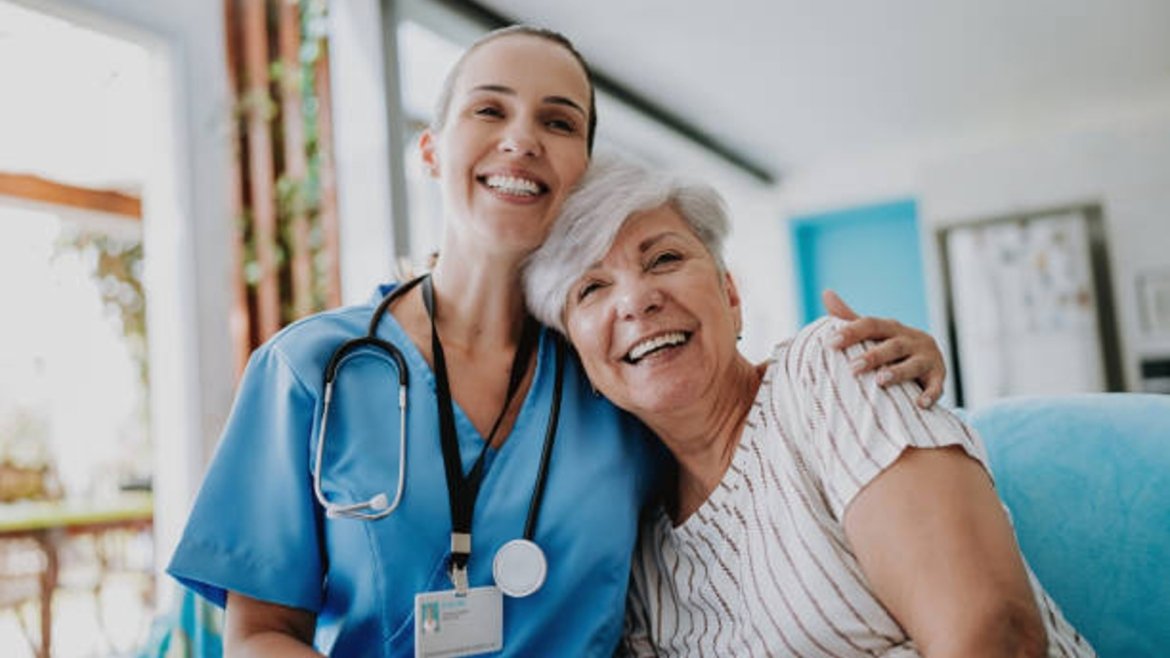
Families often reach a point where occasional help is no longer enough. A loved one may need daily support, medication oversight, health monitoring, and a safer living environment. This is where home health care services in Chesterfield, VA, become important. In a nurse-supervised care setting, seniors receive hands-on assistance alongside professional oversight, creating a more complete approach to daily care and wellness.
What Nurse Oversight Adds Beyond Basic Senior Assistance?
Daily assistance is valuable, but nurse supervision adds another level of care. A nurse-supervised environment does more than help seniors complete routine tasks. It helps monitor health concerns, track changes in wellness, and support better care decisions.
This approach allows care teams to respond more quickly when concerns arise. Families often choose nurse-supervised care because they want both personal support and professional oversight working together.
Which Daily Care Tasks Are Managed by the Care Team?
As people age, routine activities may become more difficult. Simple tasks that once felt easy can require regular assistance. Care teams often help with:
- Bathing and personal hygiene
- Dressing and grooming
- Mobility assistance
- Meal preparation
- Laundry support
- Daily supervision
This support helps seniors remain comfortable while maintaining dignity and routine.
How Medication Oversight Helps Reduce Common Senior Care Risks?
Medication management remains one of the most important parts of senior care. Older adults often manage multiple prescriptions. Missing doses or taking medications incorrectly can create avoidable health problems. A nurse-supervised care environment helps support:
- Medication scheduling
- Dosage monitoring
- Prescription coordination
- Medication administration oversight
- Ongoing medication reviews
This process helps reduce risk while supporting consistency in daily care.
How Ongoing Health Observation Supports Faster Care Decisions?
Health concerns rarely begin with major symptoms. Small changes often appear first. A senior may eat less, sleep differently, move more slowly, or show signs of discomfort. A nurse-supervised care environment helps identify changes such as:
- Reduced mobility
- Appetite changes
- Sleep disruptions
- Increased fatigue
- General discomfort
Early observation helps caregivers respond sooner and communicate concerns before they become larger issues.
Why Future Care Needs Matter as Much as Current Needs?
Senior care should not focus only on today’s challenges. Health needs often change over time. Strong care programs prepare for future concerns by creating flexible care plans that can adapt as needs evolve. This forward-thinking approach may include:
- Fall prevention support
- Mobility planning
- Wellness monitoring
- Personal care adjustments
- Communication with healthcare providers
Planning ahead helps create a smoother care experience for seniors and families alike.
What Personal Care Support Looks Like in Daily Senior Living
Personal care services play a major role in helping seniors maintain comfort and confidence. These services support daily routines while respecting independence. Caregivers may assist with:
- Bathing
- Grooming
- Dressing
- Toileting assistance
- Mobility support
The goal is not to replace independence. The goal is to provide support where it is needed while encouraging participation in everyday life.
How Do Individual Care Plans Adapt to Changing Health Needs?
No two seniors have the same needs. Some require medication oversight. Others may need mobility assistance, personal care support, or increased supervision. Individual care plans allow support services to match the person’s unique situation. As health conditions change, care plans can also change. This flexibility helps ensure seniors continue receiving appropriate support throughout different stages of care.
How Chesterfield Specialized Home Health Care Combines Wellness and Supervision?
Good care involves more than completing daily tasks. Wellness depends on safety, routine, comfort, and personal attention. Families searching for Chesterfield specialized home health care often want a care model that combines these elements in one place. A nurse-supervised environment supports:
- Daily wellness monitoring
- Consistent care routines
- Medication management
- Personal assistance
- Family communication
Together, these services create a more complete care experience.
What Families Gain From a Smaller Nurse-Supervised Care Environment?
Large facilities can sometimes make personalized attention difficult. Smaller residential care environments often provide a different experience. Caregivers become familiar with individual routines, preferences, and health needs. This creates stronger relationships and more personalized support. Families also benefit from more direct communication and greater visibility into their loved one’s care.
How Nursing Oversight and Daily Assistance Work as One Care System?
The strongest care environments combine caregiving support with nursing supervision. Caregivers assist with everyday needs. Nurses help oversee health-related concerns. Together, they create a coordinated system designed to support safety, comfort, and wellness. This teamwork helps reduce gaps in care and ensures important concerns receive proper attention. For families, it creates confidence that their loved one receives support from both compassionate caregivers and experienced healthcare professionals.
How Family Communication Becomes Part of the Care Process?
Senior care not only supports the resident. It also helps families stay informed and involved. Adult children and spouses often worry about changes in health, medication routines, or daily well-being. Regular communication helps reduce uncertainty and provides greater peace of mind. In a nurse-supervised care environment, families often receive updates about:
- Health observations
- Care plan adjustments
- Medication concerns
- Mobility changes
- General wellness progress
This ongoing communication helps families make informed decisions while remaining connected to their loved one’s care experience.
How Early Risk Monitoring Helps Prevent Larger Health Concerns?
Small warning signs can sometimes lead to bigger problems if they go unnoticed. A nurse-supervised care environment focuses on identifying potential risks before they become serious issues. Care teams pay close attention to physical, emotional, and behavioral changes that may affect overall well-being. Early monitoring may help reduce risks related to:
- Falls and injuries
- Medication complications
- Dehydration
- Reduced mobility
- Changes in daily functioning
By recognizing concerns early, care teams can respond more effectively and support better long-term outcomes for seniors.
Key Takeaways
Choosing senior care involves more than finding help with daily tasks. Families often seek a care environment that combines personal assistance, medication management, wellness monitoring, and professional oversight. For those exploring home health care services in Chesterfield, VA, a nurse-supervised approach helps bring these services together while supporting safety, comfort, and quality of life.
Admired and Retired provides personalized senior care in a comfortable residential setting designed around individual needs. Through nursing oversight, daily living assistance, medication management, and family-focused support, weoffer a thoughtful alternative to traditional nursing homes. Families seeking dependable care can learn how this approach helps seniors maintain dignity, comfort, and well-being while receiving the attention they deserve.
Frequently Asked Questions
1. What services are included in nurse-supervised home health care?
Nurse-supervised care often includes personal assistance, medication management, wellness monitoring, mobility support, and daily supervision.
2. How does nurse supervision improve senior care?
Nurse supervision helps monitor health changes, reduce risks, support medication safety, and improve care coordination.
3. Is nurse-supervised care a good alternative to a nursing home?
For seniors needing daily assistance, it can provide personalized support in a more home-like environment.
4. Why do families choose nurse-supervised senior care?
Families value professional oversight, personalized attention, health monitoring, and ongoing communication about their loved one’s care.
5. When should a senior consider home health care services?
Seniors may benefit when daily tasks, medication routines, mobility, or health monitoring become difficult to manage independently.